

Listen to this article
Tap play — works on desktop and mobile
What you eat every day quietly shapes your hormonal balance, egg quality, and reproductive health. Here's what the research actually says — and how to put it on your plate.
What you eat every day quietly shapes your hormonal balance, egg quality, and reproductive health. Here's what the research actually says — and how to put it on your plate.
When you're trying to conceive, most advice focuses on timing and tracking. But the food on your plate matters more than many people realize. Your body needs specific nutrients to mature healthy eggs, regulate ovulation, and maintain the hormonal environment that makes conception possible. The good news? A few consistent dietary shifts can make a genuine difference — often within 3 to 6 months, since egg quality improves over a roughly 90-day cycle.
Food 1: Leafy Greens — Spinach, Kale & Broccoli
Key nutrients: Folate (B9), Iron, Antioxidants
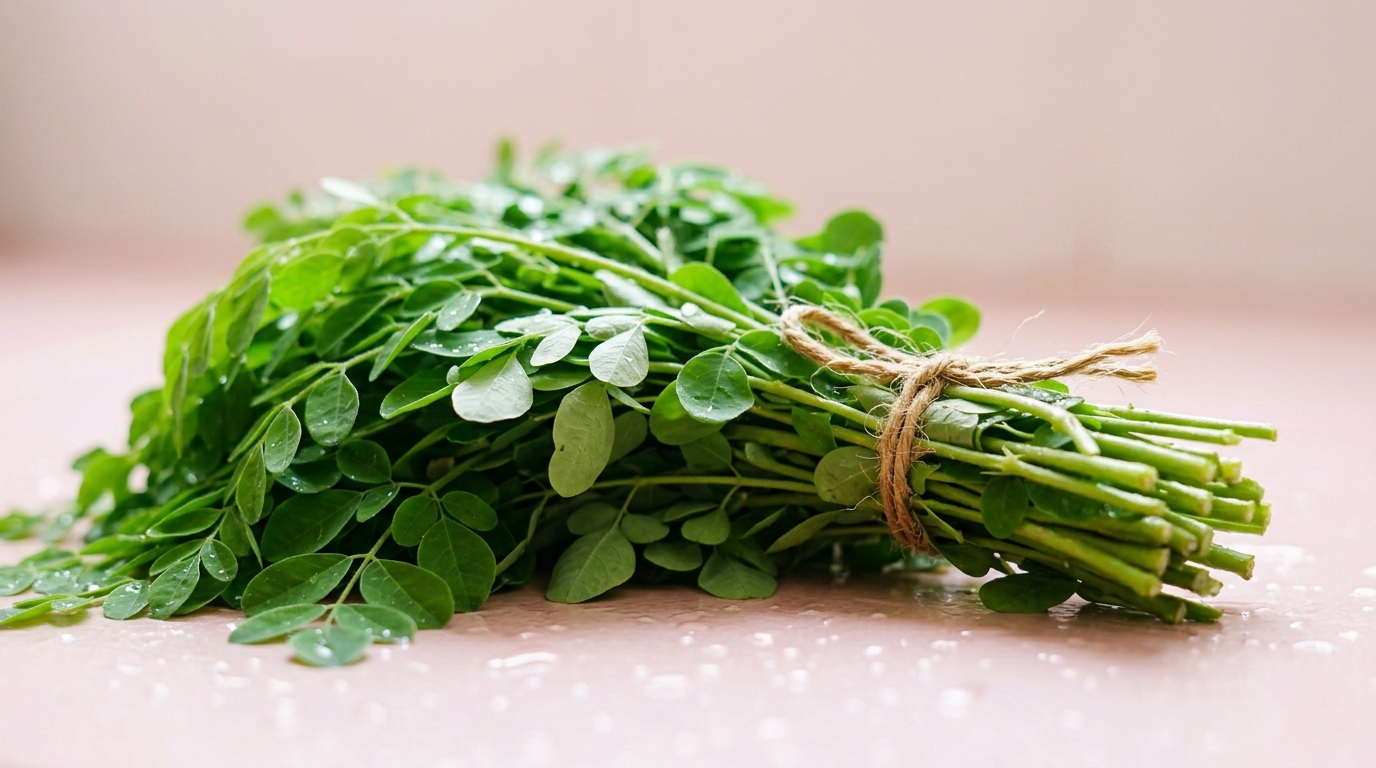
Leafy greens are one of the most well-studied food groups for female fertility. Spinach, kale, Swiss chard, and broccoli are rich in folate — the natural form of folic acid — which plays a direct role in DNA synthesis, healthy ovulation, and early fetal development. Research has found that women with higher folate intake had roughly 20% better ovulation rates than those with lower levels.
The iron in leafy greens also matters. Low iron levels can quietly disrupt menstrual cycles and affect ovulation without showing obvious symptoms. Adding a handful of spinach to a smoothie or a portion of sautéed kale to your dinner is one of the easiest dietary upgrades you can make.
Pro tip: Pair leafy greens with a squeeze of lemon — the vitamin C dramatically improves iron absorption from plant sources.
Food 2: Fatty Fish — Salmon & Sardines
Key nutrients: Omega-3 Fatty Acids, Vitamin D, Selenium
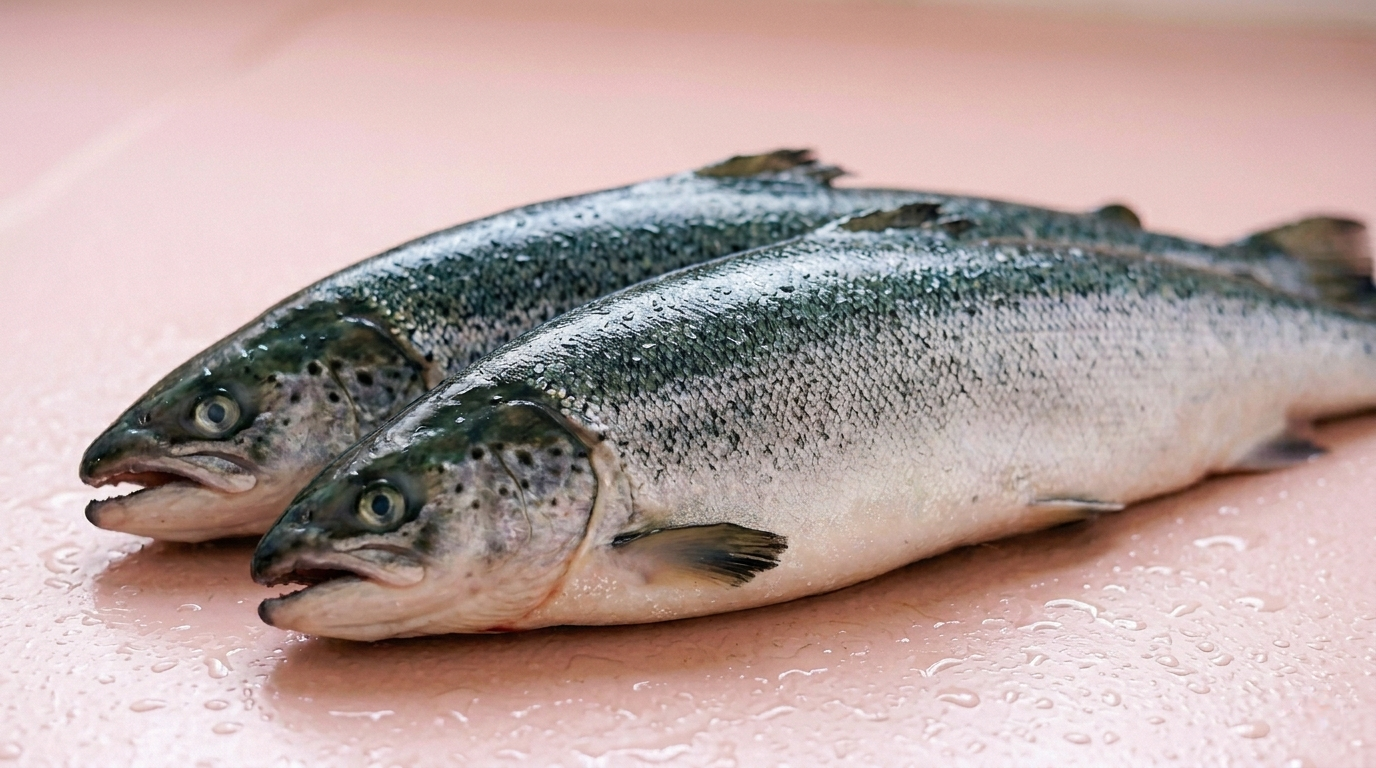
Salmon, sardines, and mackerel are loaded with omega-3 fatty acids, which reduce inflammation in the body, improve blood flow to the reproductive organs, and support the hormonal signalling needed for healthy ovulation. A 2020 study found omega-3 intake was associated with a 15% increase in conception rates among women undergoing fertility treatment.
These fish are also excellent sources of vitamin D and selenium — nutrients that protect egg cells from oxidative damage. If you're worried about mercury, stick to salmon and sardines, which are both low-mercury and high in the nutrients you actually want.
Pro tip: Aim for two servings of fatty fish per week. Canned wild salmon or sardines are affordable, convenient, and nutritionally comparable to fresh.
Food 3: Walnuts — A Daily Handful Goes a Long Way
Key nutrients: Omega-3s, Vitamin E, Magnesium
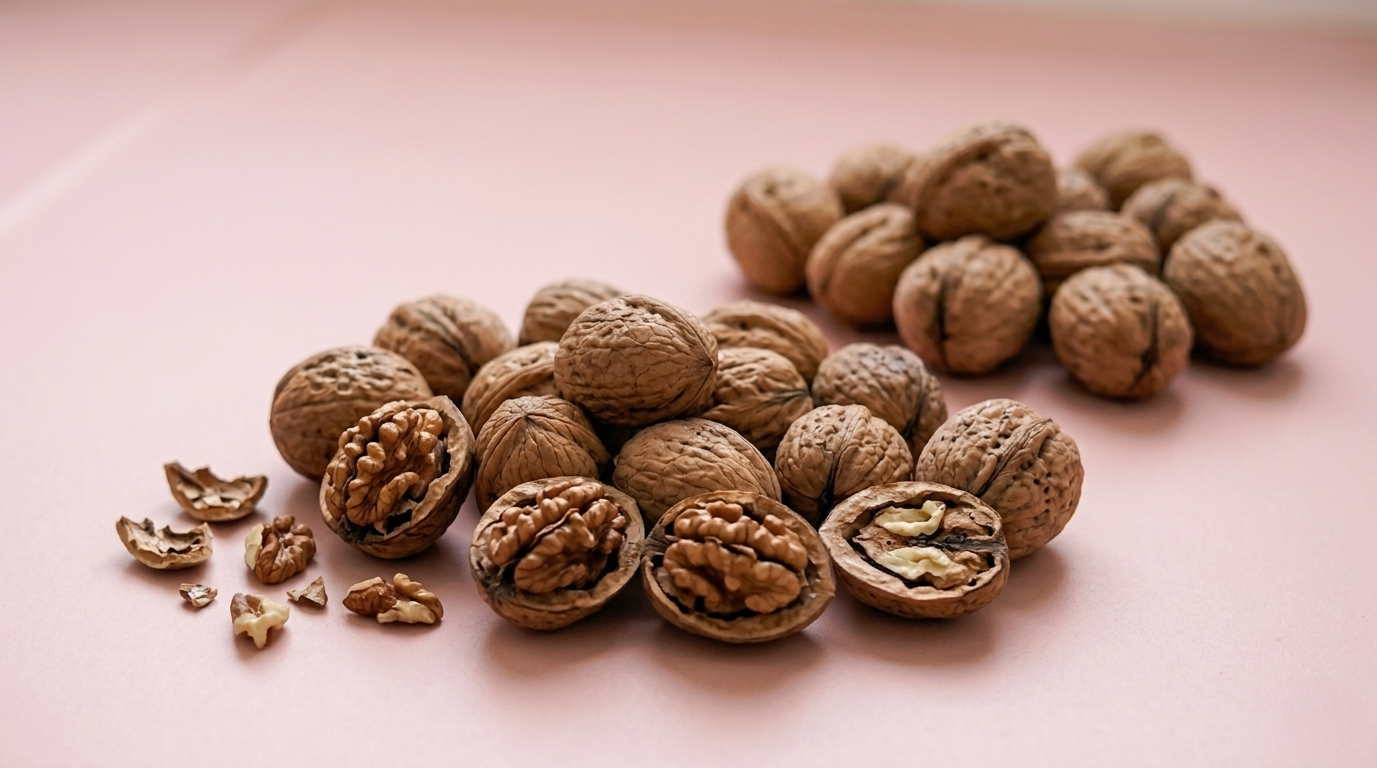
Walnuts are quietly one of the most fertility-specific foods you can eat. They're one of the few plant-based sources of omega-3 fatty acids, and they're also high in vitamin E — an antioxidant that protects eggs from free radical damage. One study found that eating around 42 grams (a small handful) of walnuts daily for three months measurably improved sperm quality in men, making this a win for couples trying to conceive together.
For women, the magnesium in walnuts helps regulate blood sugar and supports consistent hormonal balance. A small daily portion — over a trail mix, in oatmeal, or just on their own — is all it takes.
Pro tip: Buy raw, unsalted walnuts rather than roasted varieties, which are often processed with inflammatory seed oils at high heat.
Food 4: Beans & Lentils — Plant Protein with a Purpose
Key nutrients: Plant Protein, Folate, Iron
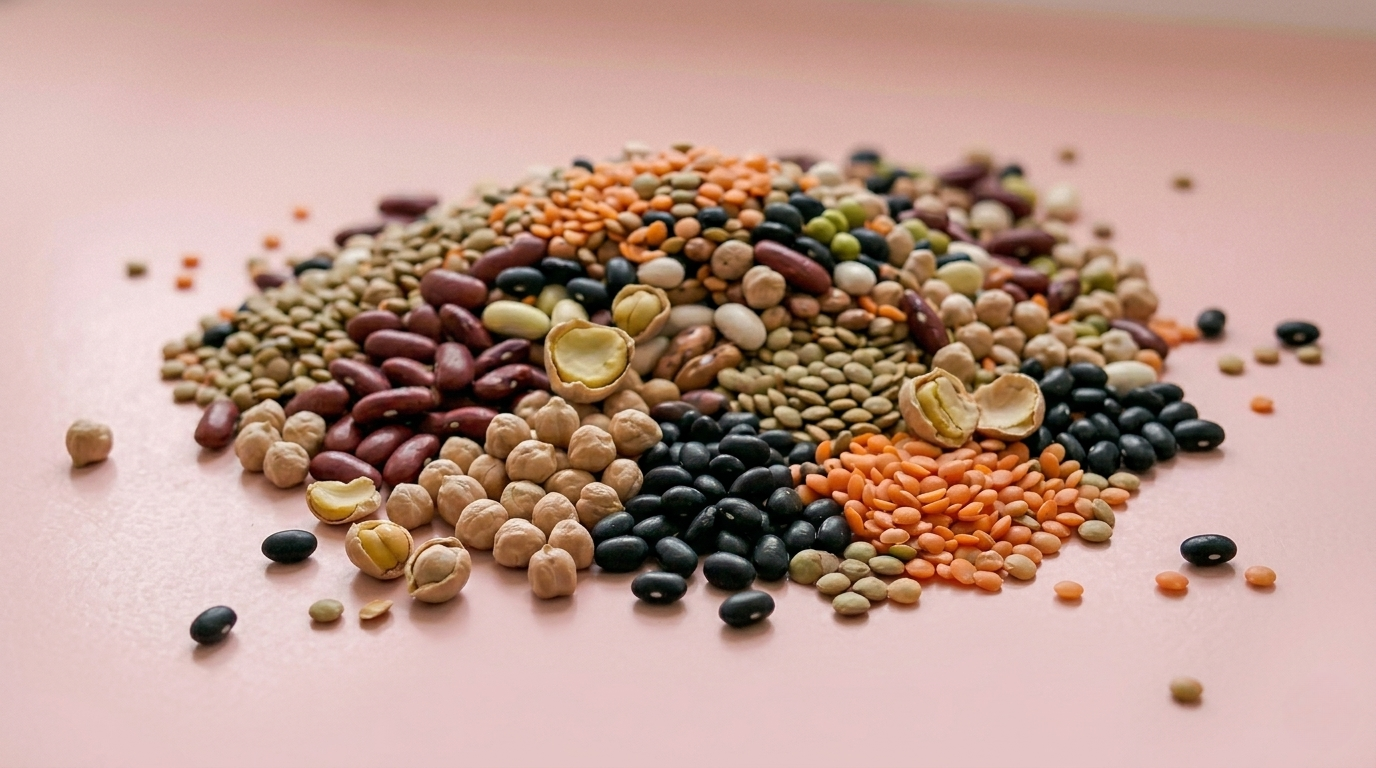
Legumes deserve far more attention in fertility nutrition conversations. Beans and lentils contain spermidine — a compound positively associated with fertility — as well as folate and non-heme iron. Higher folate intake from legumes has been linked to better implantation rates in women undergoing assisted reproduction.
There's also a compelling protein angle: a large Harvard study (the Nurses' Health Study II) found that women who replaced some animal protein with plant-based protein were significantly less likely to experience ovulatory infertility. Swapping one meat-based meal per week for a lentil soup or chickpea dish is a small change with real reproductive benefits.
Pro tip: Canned lentils and chickpeas are just as nutritious as dried — rinse them well and they're ready in minutes.
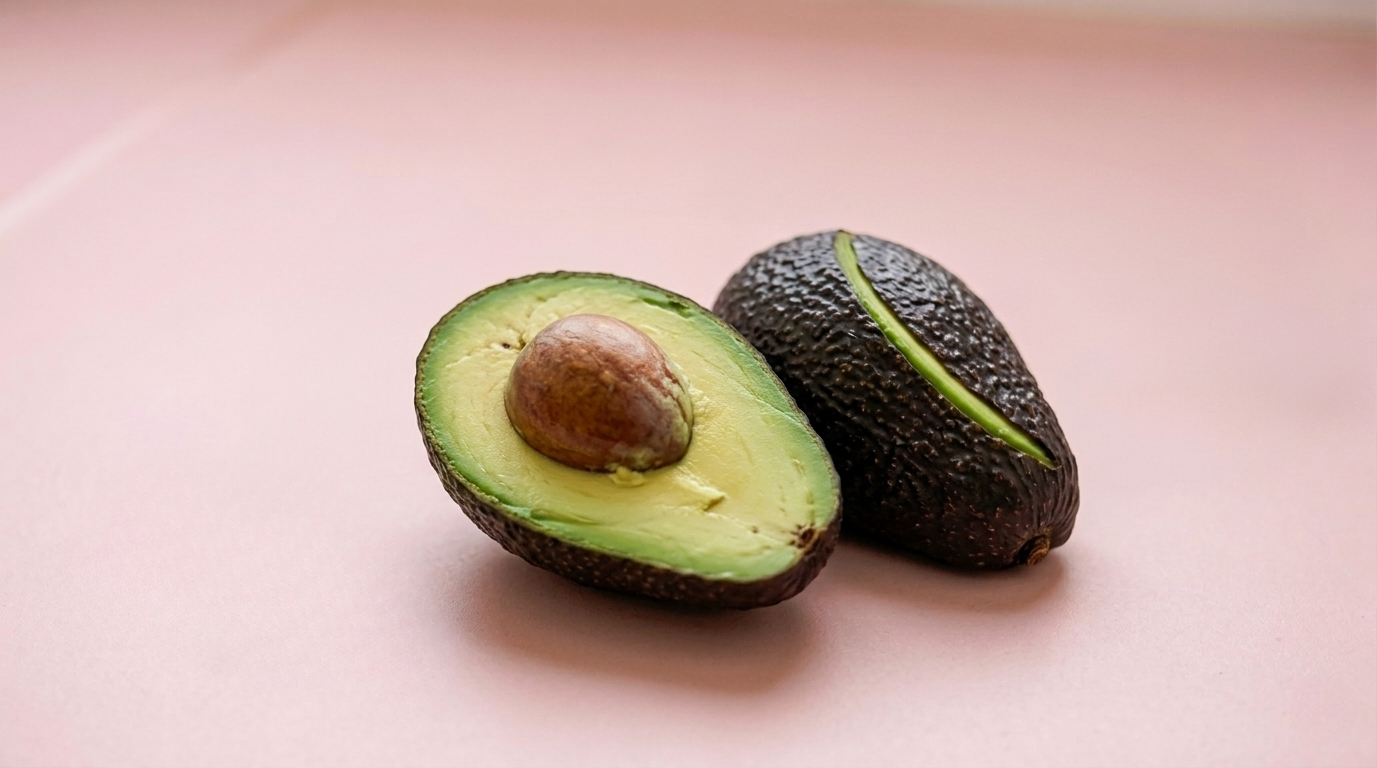
Food 5: Avocados — Healthy Fats for Hormonal Balance
Key nutrients: Monounsaturated Fats, Vitamin E, Potassium
Avocados have become a staple in fertility nutrition for good reason. Their high content of monounsaturated fats supports the production of reproductive hormones — estrogen and progesterone both rely on healthy fat intake to function properly. Vitamin E from avocado also plays a protective role for egg quality, and the potassium helps maintain the uterine environment that supports implantation.
Unlike saturated fats, which can disrupt hormone signaling, the fats in avocados actively support the endocrine system. Half an avocado on whole grain toast or in a salad is a genuinely nourishing daily choice.
Pro tip: Combine avocado with leafy greens — the healthy fats improve absorption of fat-soluble vitamins like vitamin K, which is also important for reproductive health.
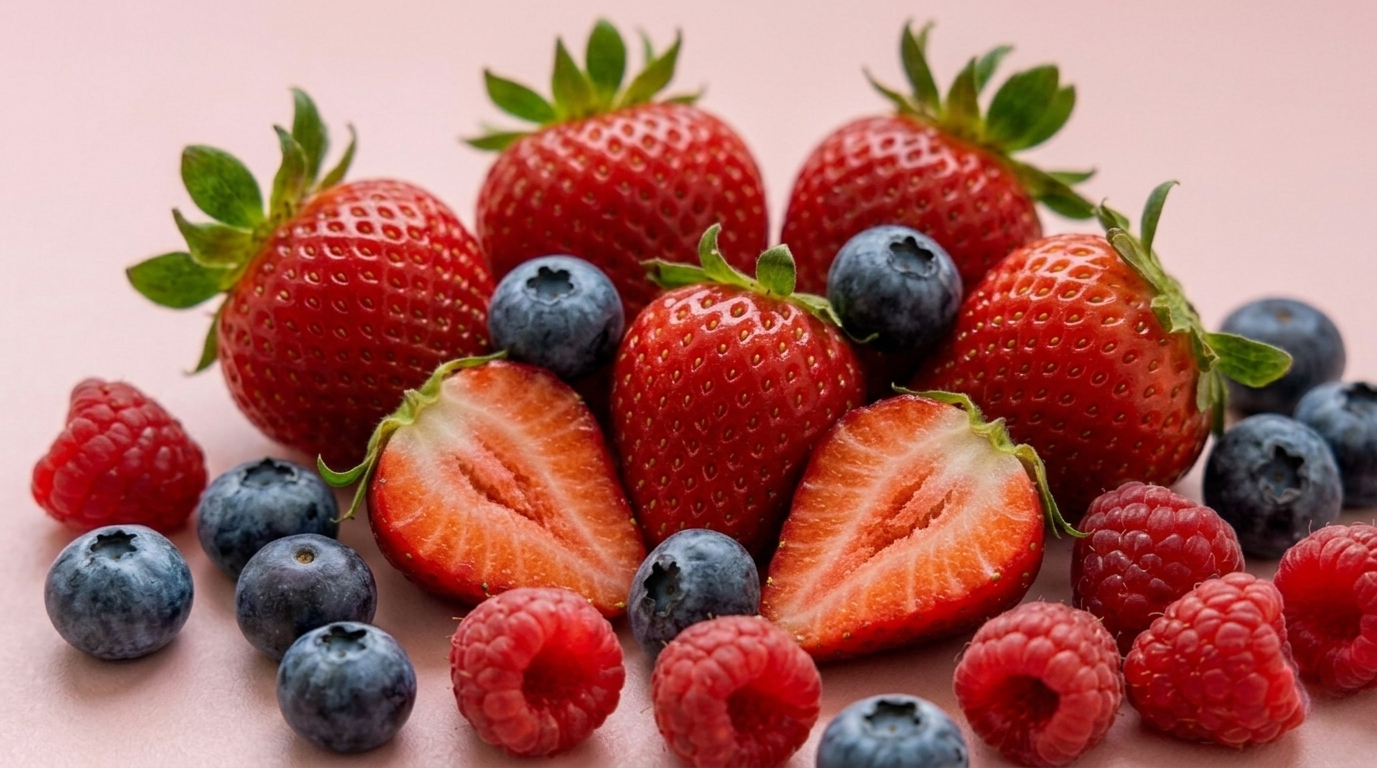
Food 6: Berries — Antioxidant Protection for Egg Quality
Key nutrients: Vitamin C, Antioxidants, Folate
Blueberries, strawberries, and raspberries contain high concentrations of antioxidants that protect egg cells from oxidative stress — one of the leading causes of reduced egg quality as women age. Oxidative stress damages the DNA in eggs and interferes with normal fertilizations.
Vitamin C from berries also supports progesterone production and helps regulate the luteal phase of the menstrual cycle. Fresh or frozen berries are equally effective, making this one of the most accessible fertility foods on this list regardless of season or budget.
Pro tip: Frozen berries retain their antioxidant content just as well as fresh. Add them to yoghurt, oatmeal, or a morning smoothie for an easy daily serving.
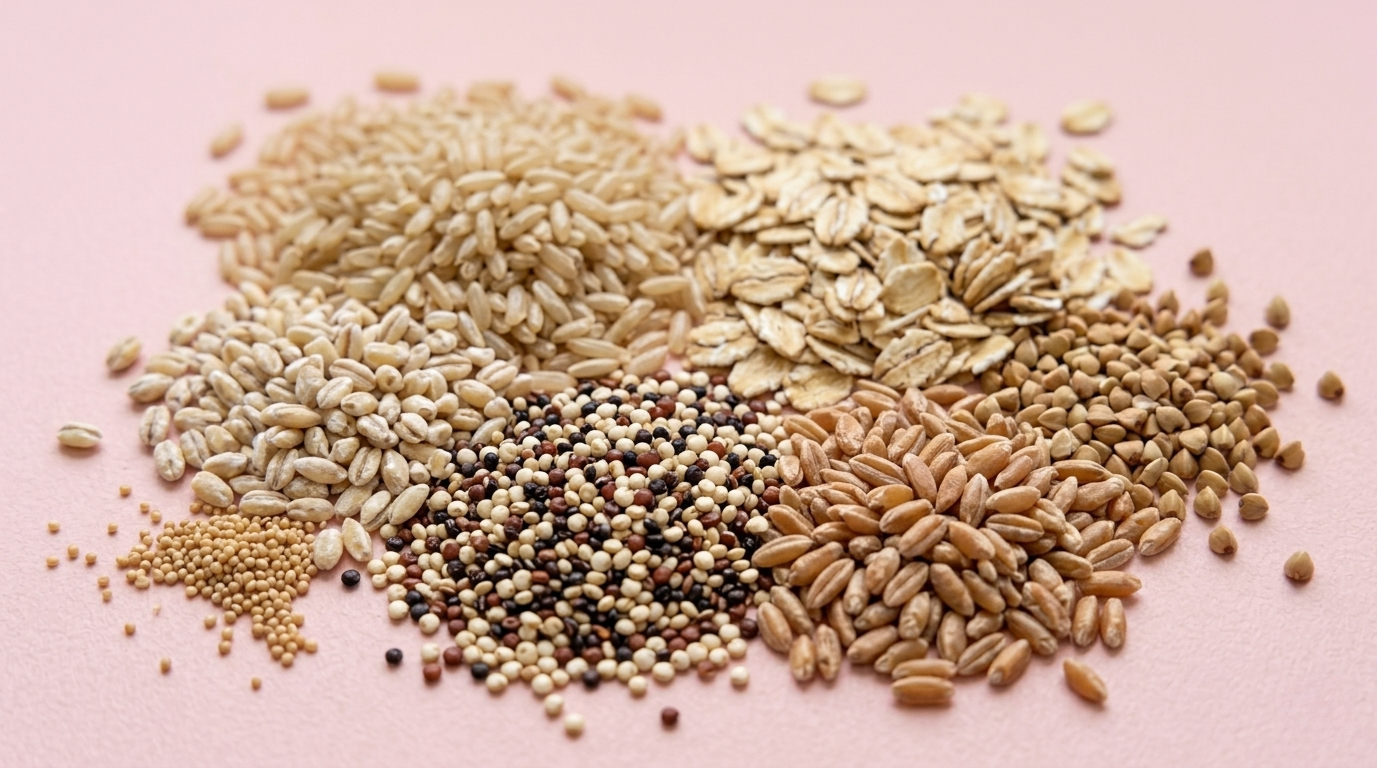
Food 7: Whole Grains — Stabilize Blood Sugar, Support Ovulation
Key nutrients: Complex Carbohydrates, B Vitamins, Fiber
Blood sugar instability has a direct effect on hormonal balance and ovulation regularity. Refined carbohydrates spike insulin, which in turn can disrupt estrogen and progesterone levels. Whole grains — quinoa, oats, brown rice, barley, and whole grain bread — digest slowly and keep blood sugar steady, creating a more favorable hormonal environment.
The Harvard Fertility Diet, one of the most cited studies on diet and ovulation, specifically highlighted the benefit of whole grains over refined carbohydrates. Women who followed this eating pattern had a significantly lower risk of ovulatory infertility.
Pro tip: The simplest swap is replacing white rice with quinoa or brown rice. Quinoa also has more protein, making it doubly useful for fertility nutrition.
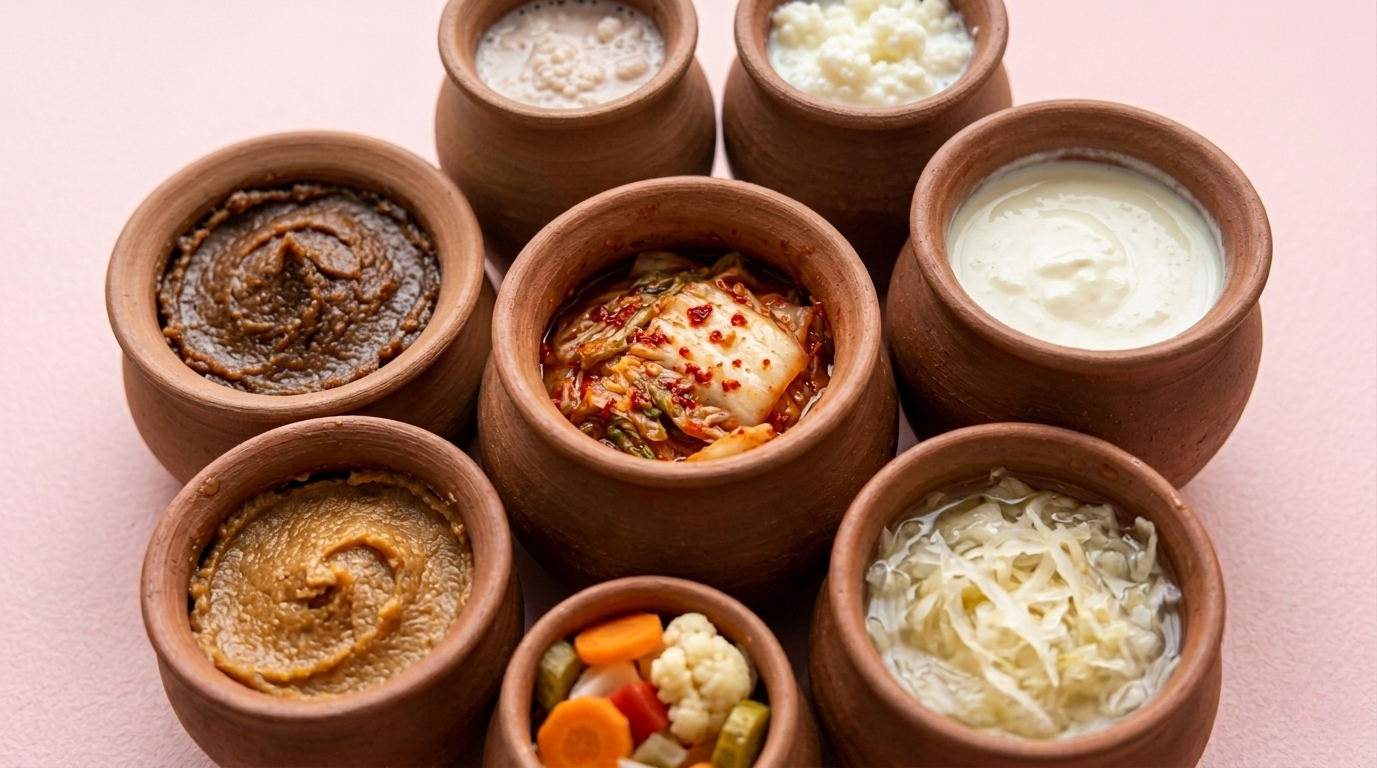
Food 8: Fermented Foods — Gut Health & Hormone Regulation
Key nutrients: Probiotics, Live Cultures, Digestive Enzymes
This one often surprises people, but the connection between gut health and hormone regulation is well established. The gut microbiome plays a key role in how the body metabolizes and recycles estrogen. An imbalanced gut can lead to estrogen dominance or hormonal fluctuations that interfere with ovulation.
Fermented foods — plain yoghurt, kefir, kimchi, sauerkraut, and miso — introduce beneficial bacteria that support this process. Prebiotic foods like garlic, onions, bananas, and asparagus feed the good bacteria already present in your system, making the two a powerful combination.
Pro tip: Plain yoghurt (not flavored — added sugar undermines the benefit) with berries and walnuts is essentially a fertility-optimized breakfast in one bowl.
Foods to Limit When Trying to Conceive
Added sugar & refined carbs — spike insulin and disrupt hormone balance
Trans fats — found in some packaged snacks and fried foods; linked to increased ovulatory infertility risk
High-mercury fish — tuna, swordfish, and shark; mercury can reduce fertility and cause menstrual irregularities
Excess alcohol — more than two drinks a day is associated with reduced conception rates
High caffeine — keep intake below 200mg per day (roughly one to two cups of coffee)
Ultra-processed red meat — high in saturated fats that interfere with hormonal signaling
Frequently Asked Questions
How long does it take for diet changes to improve fertility?
Diet changes can make a genuine difference within 3 to 6 months, since egg quality improves over a roughly 90-day cycle. Consistency with nutritional shifts is key, so starting now gives your body time to produce healthier eggs for conception.
Which foods are best for improving ovulation?
Leafy greens like spinach and kale are among the most well-studied foods for female fertility—women with higher folate intake had roughly 20% better ovulation rates. Fatty fish like salmon and sardines, rich in omega-3s, also support healthy ovulation by improving blood flow and hormonal signalling.
Is it safe to eat fish while trying to conceive?
Yes, fatty fish like salmon and sardines are safe and excellent choices for fertility because they're low in mercury while being high in omega-3s, vitamin D, and selenium. Aim for two servings of fatty fish per week, and canned wild salmon or sardines are both affordable and nutritionally comparable to fresh options.
Can walnuts really improve fertility?
Yes—walnuts are one of the few plant-based sources of omega-3 fatty acids and contain vitamin E, which protects eggs from damage. Research shows that eating a small handful (about 42 grams) of walnuts daily can measurably improve reproductive health, making them a simple addition to your daily diet.
How can I improve iron absorption from leafy greens?
Pair your leafy greens with a squeeze of lemon or other vitamin C source, as this dramatically improves iron absorption from plant-based foods. This simple tip helps prevent low iron levels, which can quietly disrupt menstrual cycles and affect ovulation.
