

Listen to this article
Tap play — works on desktop and mobile
An IVF pregnancy typically lasts around nine months, just like a natural pregnancy. The treatment timeline varies depending on individual fertility needs, embryo transfer, and pregnancy confirmation. At Iswarya Fertility Center, couples can consult fertility specialists to understand the IVF process, expected timeline, and personalised treatment options.
Understanding the timeline of fertility treatment can help couples prepare for pregnancy and parenthood. One common question couples ask is how long an IVF pregnancy lasts and how soon they can confirm pregnancy after embryo transfer. Although the treatment process involves several stages, the duration varies depending on individual fertility needs, medical history, and the treatment plan recommended by a specialist.
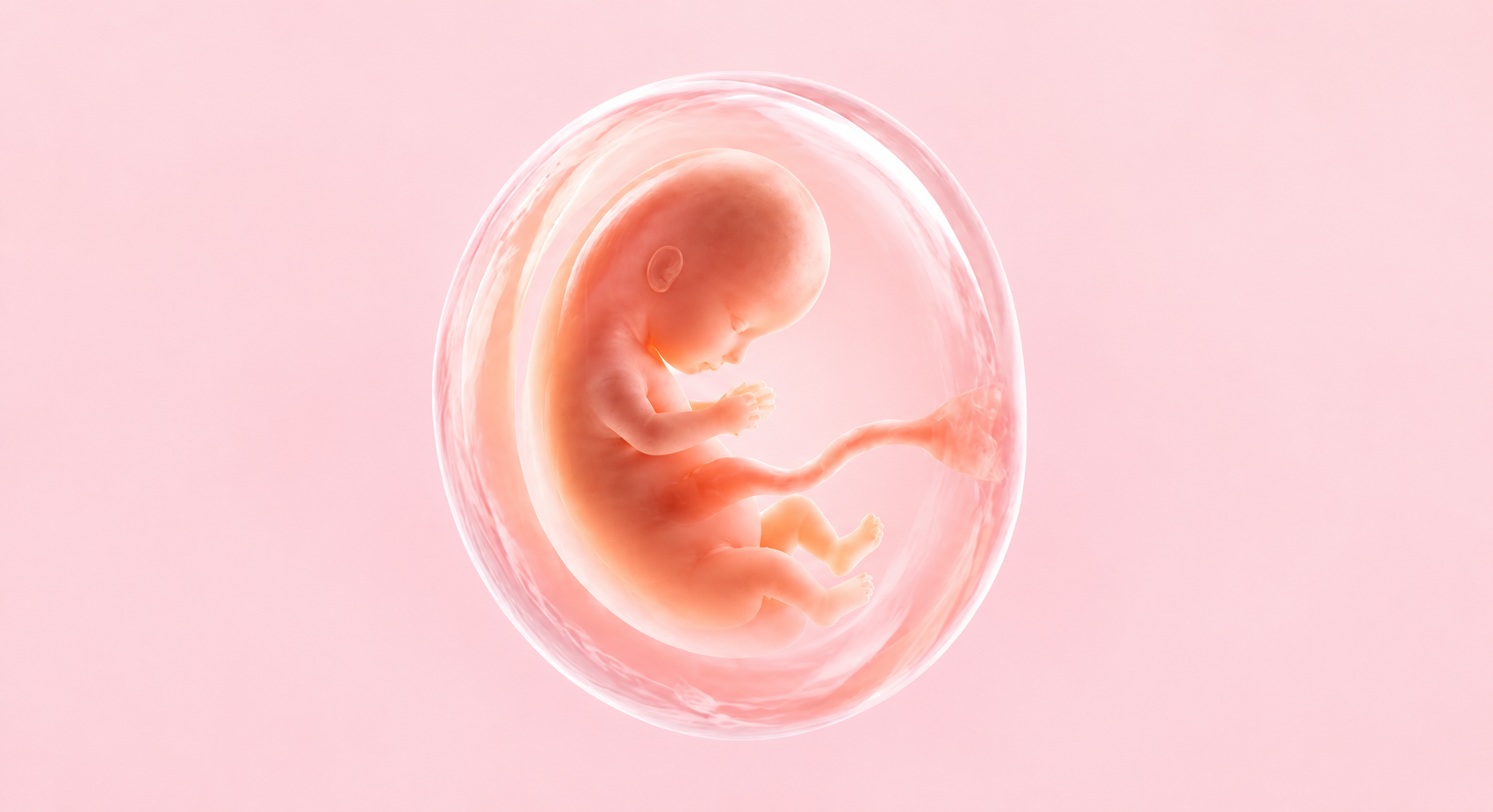
How Many Months Does an IVF Pregnancy Last?
An IVF Pregnancy generally lasts around nine months, or approximately 40 weeks, just like a pregnancy conceived naturally. However, pregnancy weeks are calculated differently because conception takes place in a laboratory before the embryo is transferred into the uterus.
Doctors calculate gestational age using the embryo's developmental age and transfer date. This helps determine how far the pregnancy has progressed and estimate the expected delivery date. Your fertility specialist can explain these calculations based on your individual treatment details.
How Does IVF Treatment Work?
IVF Treatment involves several stages designed to help couples achieve pregnancy. The process usually begins with a fertility assessment, which may include blood tests, ultrasound scans, and semen analysis.
The main stages include:
Ovarian stimulation: Medications encourage the ovaries to develop multiple mature eggs.
Egg retrieval: Mature eggs are collected through a medical procedure.
Fertilisation: Eggs are combined with sperm in a laboratory to create embryos.
Embryo development: Embryos are monitored as they develop.
Embryo transfer: A selected embryo is transferred into the uterus.
The timeline differs for each couple. Some patients may require additional tests, medication adjustments, or frozen embryo transfer preparation before proceeding.
How Long Does It Take to Confirm an IVF Pregnancy?
After embryo transfer, couples usually need to wait before taking a pregnancy test. A blood test measuring human chorionic gonadotropin (hCG) is commonly used to help confirm pregnancy.
Your fertility specialist may recommend testing around 10–14 days after embryo transfer, depending on the embryo transfer protocol and individual circumstances. Testing too early may produce misleading results, so following the recommended schedule is important.
During this waiting period, some women may notice mild cramping, breast tenderness, fatigue, or light spotting. Others may experience no symptoms. These changes cannot confirm pregnancy because hormonal medications can cause similar effects.
Continue prescribed medications unless your doctor advises otherwise, and contact your clinic if you experience severe pain, heavy bleeding, or other concerning symptoms.
What Factors Affect the IVF Timeline?
Several factors can influence how long IVF Treatment takes and when a pregnancy can be confirmed.
Age and fertility health: Age, ovarian reserve, and reproductive health can influence treatment planning.
Embryo development: The stage of embryo development helps determine when transfer may be appropriate.
Frozen embryo transfer: Additional preparation may be needed before transferring a frozen embryo.
Medical conditions: Certain reproductive conditions may require further investigation or treatment.
Individual response to medication: Treatment schedules may be adjusted according to how the body responds.
Disclaimer: These factors mean that not every couple follows the same schedule. A fertility specialist can explain the expected timeline and any adjustments needed during treatment.
