Listen to this article
Tap play — works on desktop and mobile
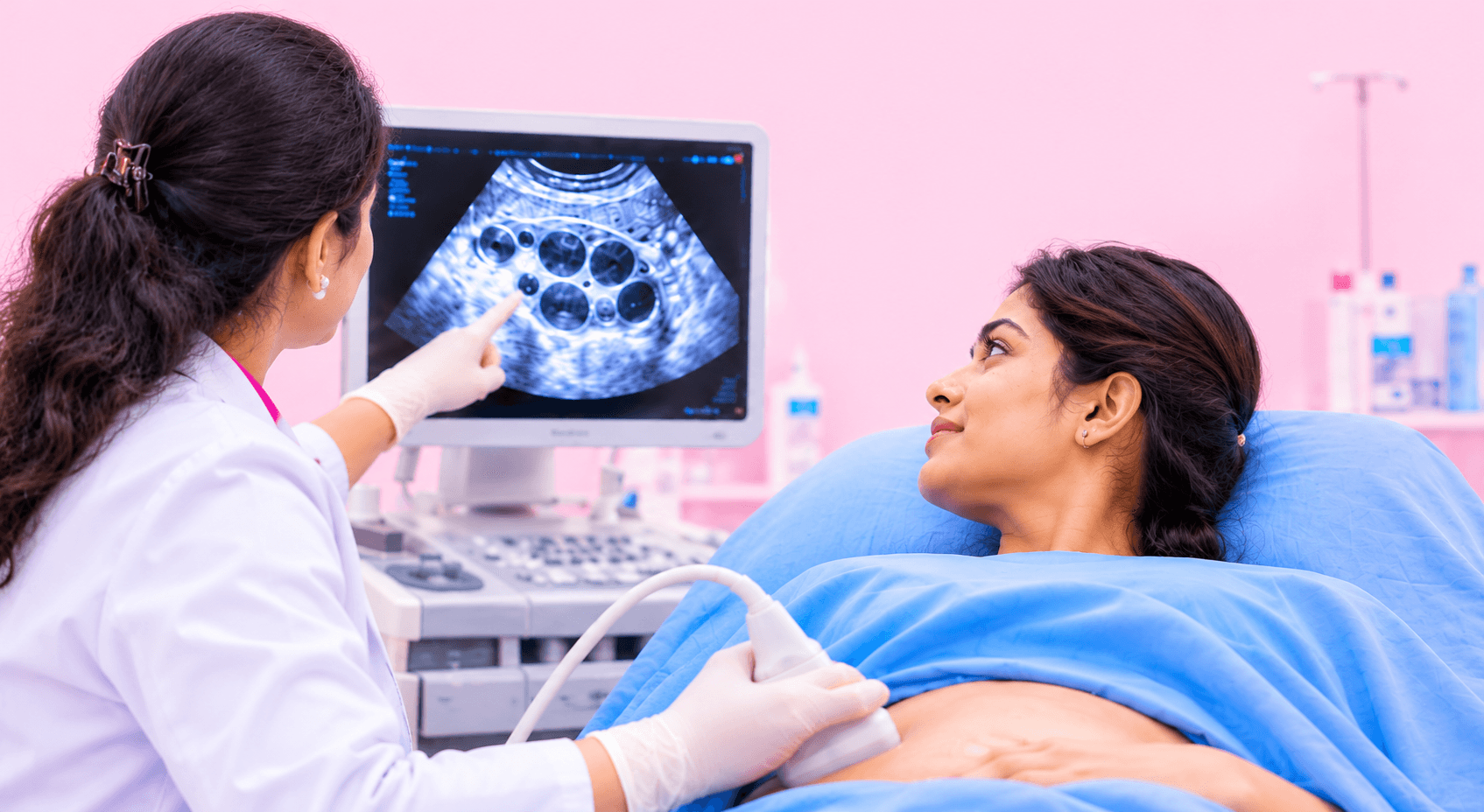
Explore this complete guide to Egg Donation Treatment in India, covering donor screening, egg retrieval, pain, recovery, age factors and embryo transfer. Understand the treatment process and available donor egg options at Iswarya Fertility Centre.
Starting a fertility journey can bring many questions, especially when egg donation or egg retrieval becomes part of the treatment plan. Understanding the procedure, recovery process, age-related factors and available options can help individuals and couples make informed decisions.
Egg Donation is an assisted reproductive treatment in which eggs from a carefully screened donor are fertilised with sperm in a laboratory. The resulting embryo is then transferred into the recipient's uterus. It may be recommended when using a woman's own eggs is difficult due to reduced egg quality, low ovarian reserve or certain medical conditions.
This guide explains the important aspects of egg retrieval and Egg Donation Treatment, from the initial consultation to embryo transfer.
What Is Egg Donation Treatment?
Egg Donation Treatment is a fertility option for women who may not be able to conceive using their own eggs. The donor's eggs are collected and fertilised with the partner's or an appropriate sperm source in an IVF laboratory. After fertilisation, the developing embryo is transferred into the recipient's uterus.
A fertility specialist may discuss donor eggs in situations such as:
Premature ovarian insufficiency or early menopause
Low ovarian reserve or reduced egg quality
Certain inherited genetic conditions
Repeated IVF cycles with limited results using own eggs
Age-related changes affecting egg quality
The recommendation depends on medical history, fertility investigations and the recipient's overall health. A specialist can explain whether donor egg IVF is an appropriate option.
How Does the Egg Donation Process Work?
The process involves several stages for both the donor and the recipient. Each stage is planned and monitored by fertility professionals.
1. Initial Consultation and Medical Evaluation
The recipient meets a fertility specialist to discuss medical history, previous fertility treatments and pregnancy goals. Investigations may include blood tests, ultrasound scans, uterine assessment and other health evaluations.
2. Donor Screening and Selection
A suitable donor is identified through the clinic's donor programme. Screening may include medical history review, infectious disease testing, genetic screening and psychological assessment, as appropriate under applicable regulations. These checks help assess donor suitability and support informed decision-making.
3. Cycle Synchronisation and Preparation
The donor's egg development and the recipient's uterine preparation are coordinated using prescribed medications when required. The recipient may receive hormonal medication to prepare the uterine lining for embryo implantation.
4. Egg Retrieval
Once the donor's eggs are mature, the fertility specialist performs egg retrieval. This is generally carried out under sedation or anaesthesia. The collected eggs are sent to the IVF laboratory for assessment and fertilisation.
5. Fertilisation and Embryo Development
The retrieved eggs are fertilised with sperm using an appropriate IVF technique. Embryologists monitor the fertilised eggs as they develop into embryos.
6. Embryo Transfer and Pregnancy Test
A suitable embryo is transferred into the recipient's uterus. A blood pregnancy test is usually advised around 14 days after transfer, depending on the clinic's protocol.
This overall process is planned according to the medical requirements of the donor and recipient.
Is Egg Retrieval Painful?
It is natural to feel concerned about pain during egg retrieval. The procedure is usually performed under sedation or anaesthesia, so the donor generally does not feel pain during the collection itself.
After the procedure, some women may experience mild abdominal cramps, bloating, pelvic discomfort or light spotting. These symptoms are often temporary and improve with rest and the care recommended by the medical team.
The level of discomfort can vary from person to person. Severe abdominal pain, heavy bleeding, fever, persistent vomiting or breathing difficulty should be reported to the treating clinic immediately.
How Is an Egg Retrieved During IVF Treatment?
Egg retrieval is a planned medical procedure performed after the donor's ovaries have been stimulated to develop mature follicles.
The process generally includes:
Ovarian stimulation: Prescribed hormonal injections encourage the ovaries to develop multiple follicles.
Ultrasound monitoring: Regular scans and sometimes blood tests help the specialist monitor follicle growth.
Trigger medication: A medication is given at a specific time to support final egg maturation.
Egg collection: Using ultrasound guidance, a fine needle is passed through the vaginal wall to collect fluid from the follicles.
Laboratory assessment: The collected fluid is examined by embryologists to identify and assess the eggs.
Not every follicle necessarily contains an egg, and the number collected can vary. The procedure is usually followed by a short recovery period and instructions from the fertility team.
What Is the Recovery Time After Egg Retrieval?
Most donors can return to their usual routine within a short period, depending on how they feel and their doctor's advice. Mild bloating, tiredness and cramps may occur for a few days.
During recovery, it is generally advisable to:
Take adequate rest after the procedure.
Drink enough water and follow dietary advice.
Avoid strenuous exercise and heavy lifting until cleared by the doctor.
Follow prescribed medication instructions.
Attend the recommended follow-up appointment.
The clinic should be contacted if symptoms become severe or worsen instead of improving. Recovery varies depending on the individual's response to ovarian stimulation and the procedure.
What Is the Best Age for Egg Retrieval?
Age is an important factor in fertility because both egg quantity and quality generally decline over time. Women may have better chances of obtaining good-quality eggs at younger reproductive ages, although individual fertility varies.
For women considering egg freezing or IVF using their own eggs, a specialist may assess age alongside ovarian reserve tests such as AMH, FSH and antral follicle count.
In donor egg treatment, the donor's age and eligibility are assessed separately under applicable Indian regulations. The recipient's age and general health are also important because they influence pregnancy planning and safety. There is no single ideal age that applies to everyone, so individual medical evaluation is essential.
How to Emotionally Accept Donor Eggs
Choosing donor eggs can be an emotional decision. Some individuals may have concerns about genetic connection, family expectations, privacy or how they will feel about parenthood.
It may help to:
Discuss your feelings openly with your partner.
Understand the medical and legal aspects of donor egg treatment.
Ask your fertility specialist about donor screening and selection.
Consider professional counselling before making a decision.
Take enough time to feel comfortable with the treatment plan.
Using donor eggs does not reduce the importance of the recipient's role in pregnancy, childbirth and parenting. Emotional support and clear communication can make the decision-making process easier.
Explore Egg Donation Treatment at Iswarya Fertility Centre
Egg donation can offer another pathway to parenthood for individuals and couples who may not be able to conceive using their own eggs. Understanding donor screening, egg retrieval, embryo development, recovery and age-related considerations can help you approach treatment with greater confidence.
At Iswarya Fertility Centre, the Egg Donation programmer includes recipient evaluation, donor selection, screening, cycle synchronisation, egg retrieval, fertilisation and embryo transfer. The treatment plan is guided by fertility specialists based on individual medical needs.
If you are considering Egg Donation Treatment in India, consult a fertility specialist to understand your options, eligibility, treatment steps and expected outcomes. A personalised consultation can help you decide on the next step in your fertility journey.
Disclaimer: This article is for general educational purposes and does not replace personalised medical advice from a fertility specialist.