
Listen to this article
Tap play — works on desktop and mobile
Learn how eggs are retrieved during IVF treatment, including ovarian stimulation, trigger injections, the egg collection procedure and recovery. Understand each step of the process and explore Egg Donation Treatment options at Iswarya Fertility Centre.
Egg retrieval is an important step in In Vitro Fertilisation (IVF) and Egg Donation Treatment. It is the procedure through which mature eggs are collected from a woman's ovaries for fertilisation in a laboratory. Many women have questions about how eggs are retrieved, whether the procedure is painful and what happens afterwards.
Egg retrieval is generally a short, minimally invasive procedure performed under sedation or anaesthesia. A fertility specialist uses ultrasound guidance and a fine needle to collect fluid from ovarian follicles, while an embryologist identifies the eggs in the laboratory. Understanding each stage can help women feel more prepared for the process.
What Is Egg Retrieval in IVF?
Egg retrieval, also known as egg collection or ovum pick-up, is a procedure used to collect eggs from the ovaries during IVF. Eggs develop inside small, fluid-filled sacs called follicles. During a natural menstrual cycle, usually one egg reaches maturity. However, IVF medicines stimulate the ovaries to help multiple follicles develop.
The collected eggs may be fertilised with sperm in the laboratory to create embryos. Depending on the treatment plan, embryos may be transferred to the uterus or frozen for future use. In Egg Donation Treatment, eggs collected from a screened donor may be used for fertilisation according to the treatment plan.
How Are Eggs Retrieved During IVF Treatment?
The egg retrieval process involves several carefully planned steps.
1. Ovarian Stimulation
The first step is ovarian stimulation. The fertility specialist prescribes hormonal injections to encourage the ovaries to develop multiple follicles instead of a single egg. These medicines are usually taken for around 8–14 days, depending on the individual's response and treatment protocol.
During this period, the doctor monitors follicle growth through ultrasound scans and, when required, blood tests. These checks help assess follicle development and determine the appropriate time for egg collection.
2. Trigger Injection
When the follicles are considered ready, the doctor prescribes a trigger injection to support the final maturation of the eggs. This injection is usually given approximately 34–36 hours before the planned egg retrieval, depending on the prescribed medication and protocol.
Following the exact timing given by the fertility team is important. Collecting the eggs at the appropriate time helps improve the chances of retrieving mature eggs.
3. Preparation Before Egg Retrieval
Before the procedure, the medical team provides instructions about eating, drinking and medications. Since sedation or anaesthesia may be used, patients are commonly asked to fast for a specified period.
The fasting duration and other preparation instructions may vary between hospitals. Patients should follow their clinic's instructions rather than applying general guidelines to their own treatment.
4. The Egg Retrieval Procedure
Egg retrieval is usually performed through a technique called transvaginal ultrasound-guided aspiration. The patient receives sedation or anaesthesia to minimise discomfort during the procedure.
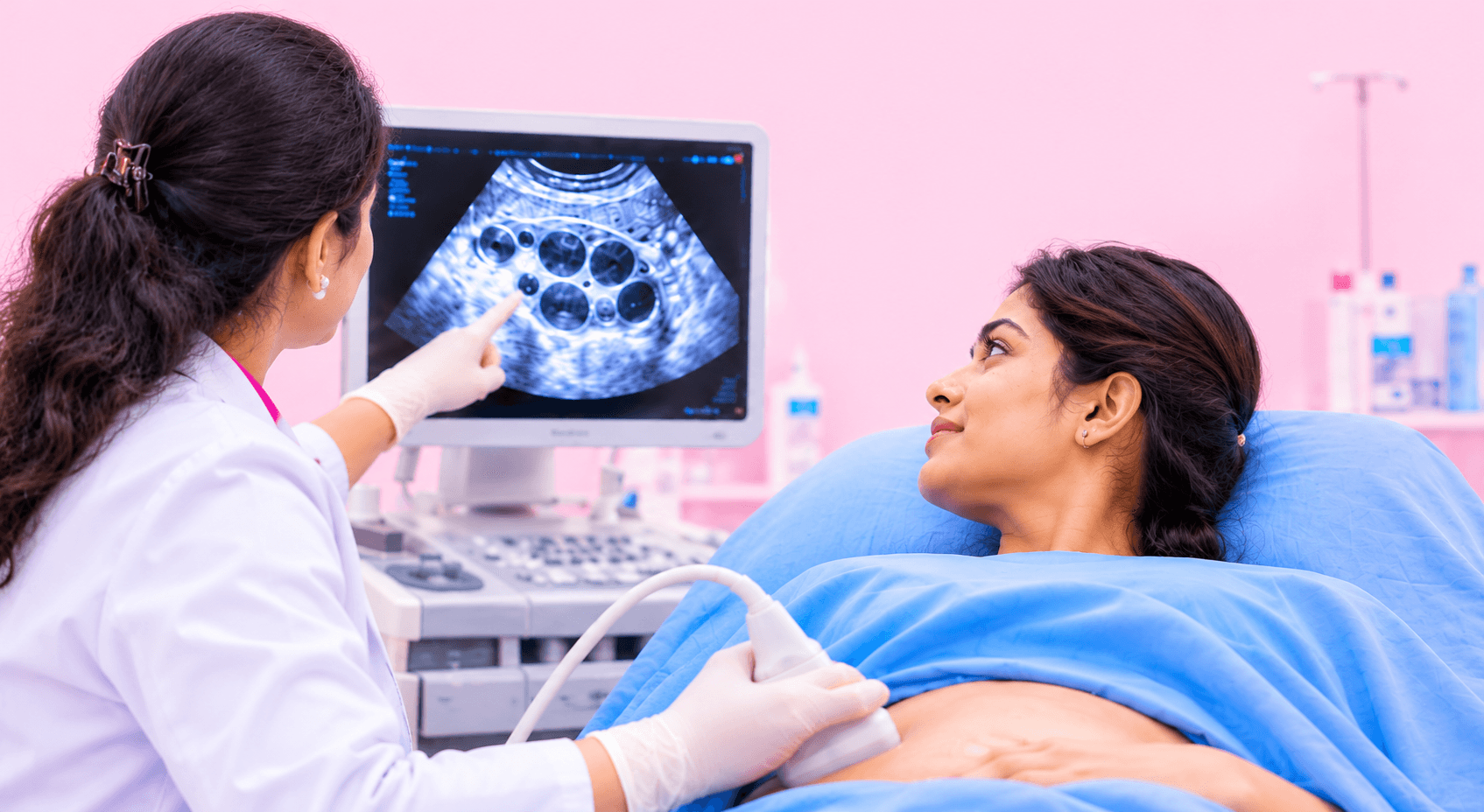
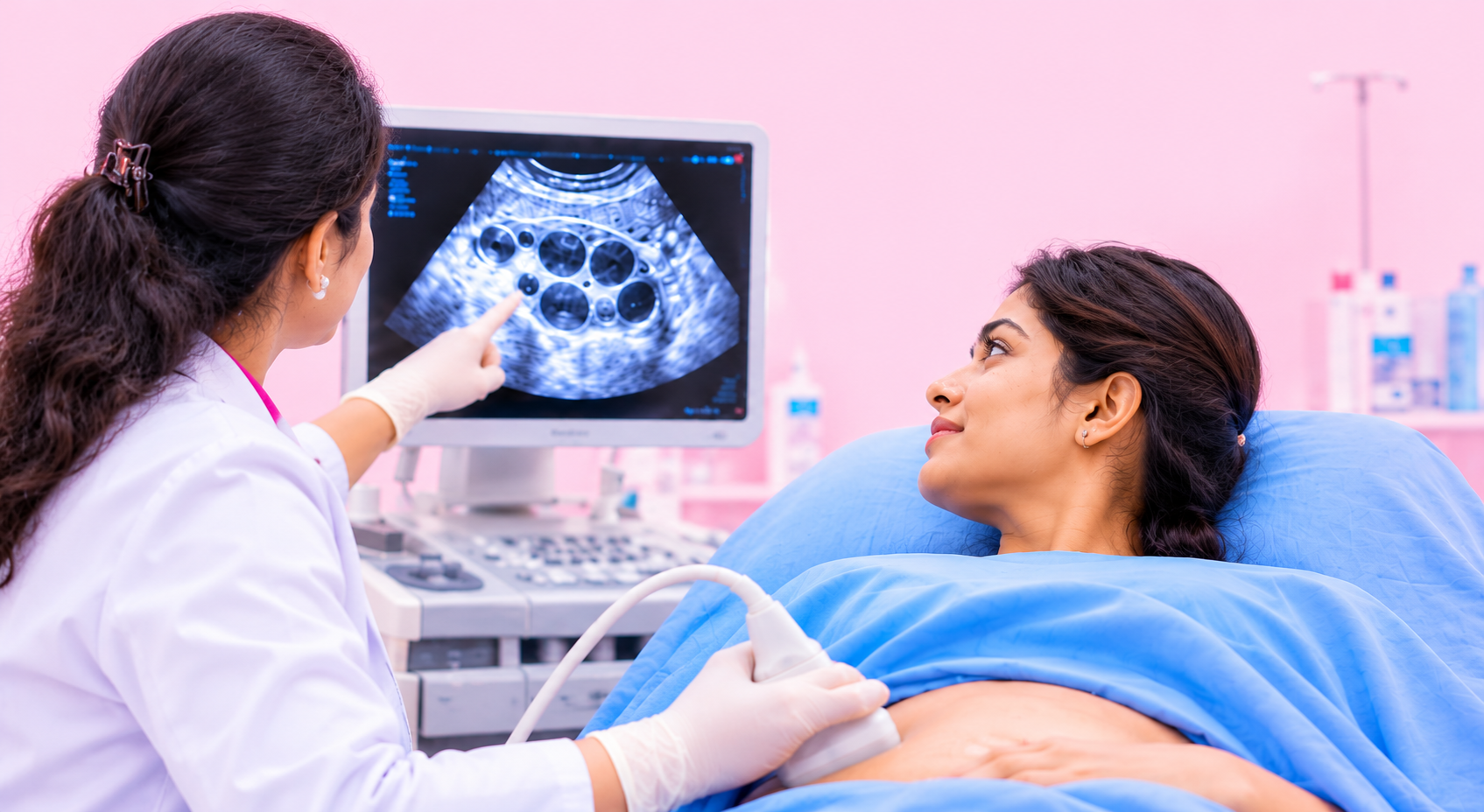
The doctor gently inserts an ultrasound probe into the vagina to view the ovaries and identify the follicles. A fine needle attached to the ultrasound probe is then guided through the vaginal wall towards the follicles.
Using gentle suction, the doctor collects the fluid from each follicle. This fluid is immediately passed to the embryology laboratory, where specialists examine it under a microscope to identify and collect the eggs. The same process is repeated for the follicles in both ovaries.
The procedure commonly takes around 10–30 minutes, although the duration depends on the number of follicles and individual circumstances.
5. Egg Examination in the Laboratory
After collection, the embryologist examines the follicular fluid to identify the eggs. The eggs are assessed for maturity and suitability for the next stage of treatment.
Depending on the fertility specialist's recommendation, mature eggs may be combined with sperm through conventional IVF or fertilised using Intracytoplasmic Sperm Injection (ICSI). The resulting embryos are monitored in the laboratory before a decision is made about embryo transfer or freezing.
Is Egg Retrieval Painful?
Most women do not experience significant pain during egg retrieval because sedation or anaesthesia is provided. Some may experience mild pelvic discomfort, abdominal cramps or bloating after the procedure. The level of discomfort varies from person to person.
The fertility team monitors the patient after collection and provides recovery instructions and medication when needed.
What Happens After Egg Retrieval?
After the procedure, patients usually rest in a recovery area while the medical team monitors their condition. Many can return home on the same day once they have recovered sufficiently from sedation.
Mild cramping, bloating, tiredness or light vaginal spotting may occur for a short period. Patients are generally advised to avoid strenuous exercise and follow their doctor's guidance about daily activities.
Contact the fertility clinic promptly if you experience severe or worsening abdominal pain, heavy bleeding, fever, persistent vomiting, sudden swelling or difficulty breathing. These symptoms require medical assessment.
How Many Eggs Can Be Retrieved During IVF?
The number of eggs collected varies depending on factors such as age, ovarian reserve, hormone levels and response to stimulation medicines. Not every follicle contains an egg, and not every collected egg will be mature enough for fertilisation.
Therefore, the number of eggs retrieved does not automatically determine the success of IVF. The quality and maturity of eggs, fertilisation, embryo development and other individual factors also influence treatment outcomes.
Egg Retrieval and Egg Donation Treatment at Iswarya Fertility Centre
Egg retrieval is a carefully planned procedure that plays an important role in IVF and Egg Donation Treatment. From ovarian stimulation and follicle monitoring to egg collection and laboratory assessment, every stage requires medical supervision and personalised care.
At Iswarya Fertility Centre, women and couples can consult fertility specialists to understand suitable treatment options, including Egg Donation, based on their medical needs. A specialist can explain the procedure, preparation, expected recovery and next steps so patients can make informed decisions about their fertility journey.
Exploring Donor Egg Options?
If you are considering donor eggs as part of your fertility journey, understanding the procedure can help you feel more prepared. Read our complete guide to Egg Donation: Procedure, Pain, Recovery, Age and Donor Egg Options for more information about the treatment process and what to expect.
Disclaimer: This article is for general educational purposes and does not replace personalised medical advice from a fertility specialist.