
Listen to this article
Tap play — works on desktop and mobile
Discover the best food for fertility and learn how leafy greens, fruits, nuts, seeds, whole grains and other nutritious foods may support reproductive health. Explore simple dietary choices and healthy lifestyle habits that can support your pregnancy journey with guidance from Iswarya Fertility Centre.
When planning a pregnancy, maintaining a healthy diet is an important part of preparing your body for conception. The nutrients you get from food support hormone production, reproductive health, egg development and sperm formation. Although no single food can guarantee pregnancy, choosing nutritious meals may help support overall fertility in both men and women.
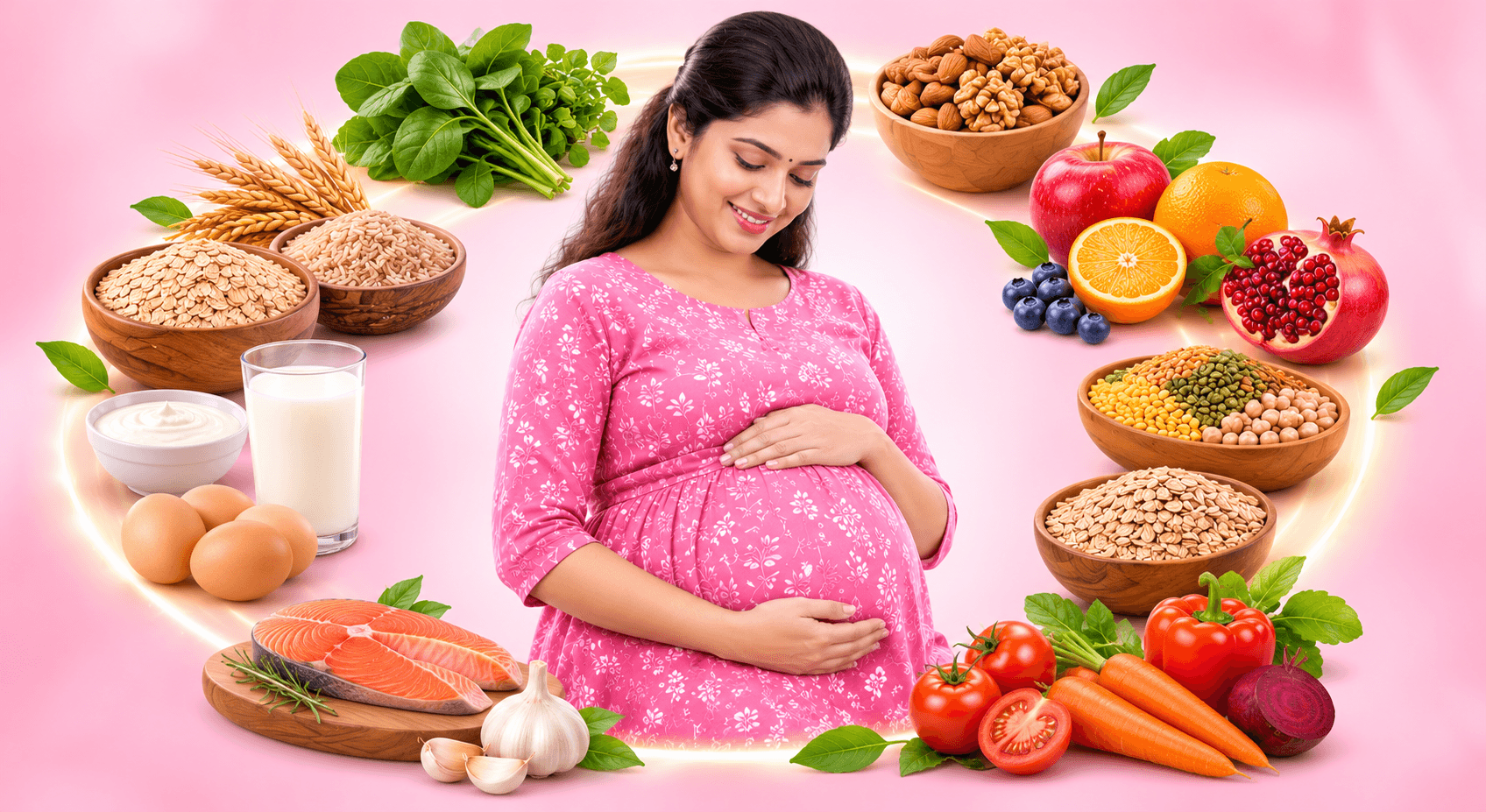
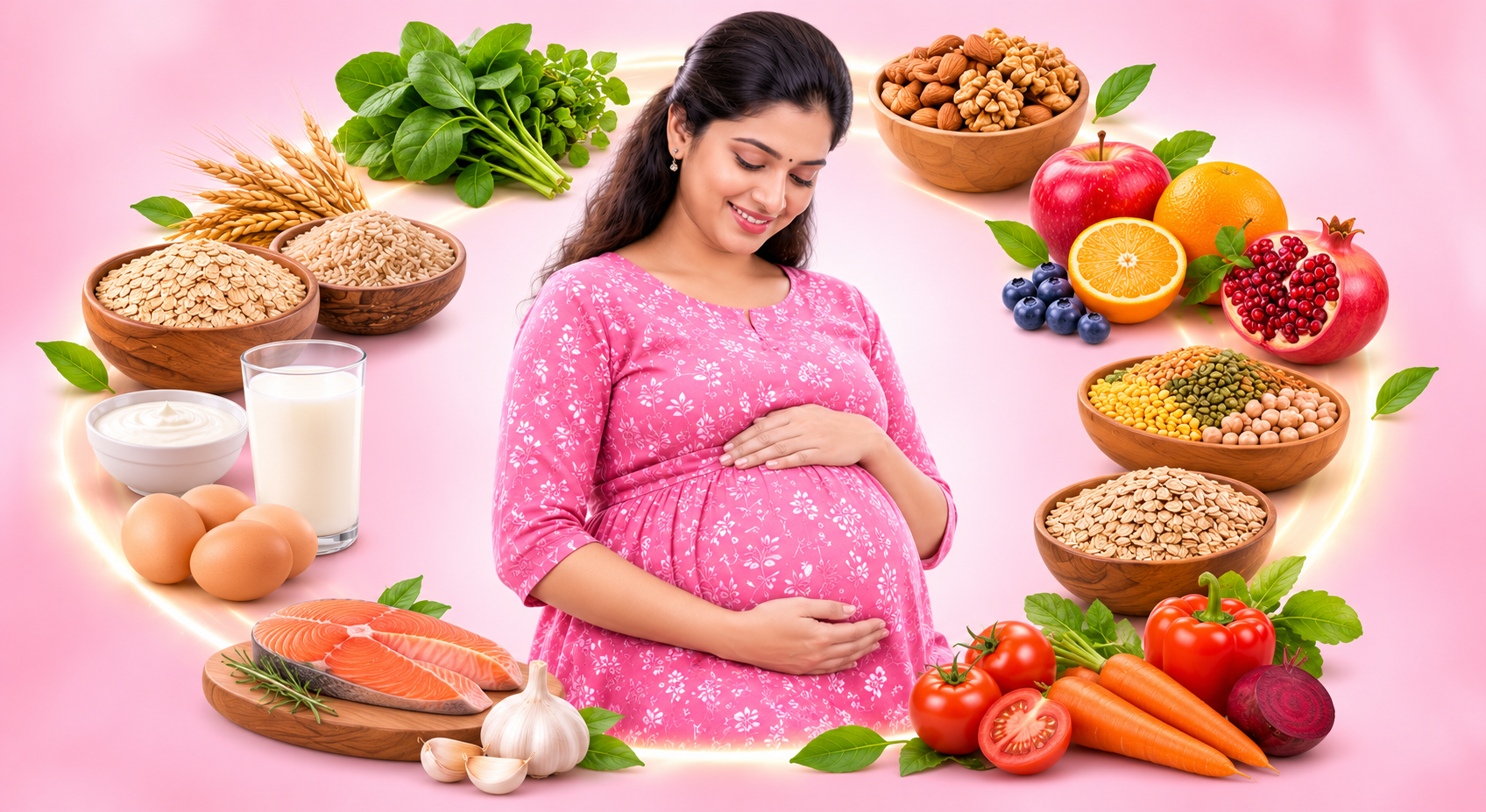
Including the right Food that increase fertility in your daily routine can be a positive step when trying to conceive. From leafy vegetables and fruits to nuts, whole grains and healthy fats, several foods provide nutrients that support reproductive health.
Why Is Nutrition Important for Fertility?
A balanced diet provides essential vitamins, minerals, antioxidants and healthy fats that help the body function properly. Some nutrients, such as folate, zinc, selenium, vitamin C, vitamin D and omega-3 fatty acids, play important roles in reproductive health.
For women, adequate nutrition supports normal hormone function and overall reproductive health. For men, certain nutrients contribute to normal sperm production and development. Maintaining a healthy body weight and managing blood sugar levels are also important considerations.
However, fertility depends on several factors, including age, ovulation, sperm health and underlying medical conditions. A healthy diet can support your well-being, but it cannot replace fertility evaluation or treatment when needed.
Best Food for Fertility: 8 Foods to Include in Your Diet
1. Leafy Green Vegetables
Spinach, broccoli, fenugreek leaves and other green vegetables are excellent sources of folate, iron and antioxidants. Folate is particularly important for women planning pregnancy because it supports early foetal development.
Including keerai, spinach and other green vegetables in regular meals can help improve overall nutrient intake. Women planning pregnancy should also discuss folic acid supplementation with their doctor, as food alone may not provide the recommended amount.
2. Nuts and Seeds
Almonds, walnuts, pumpkin seeds, chia seeds and flaxseeds provide healthy fats, vitamin E, zinc and other nutrients. Walnuts are particularly known for their omega-3 fatty acid content.
These nutrients support general health and help protect cells from oxidative stress. A small portion of mixed nuts or seeds can be included as a daily snack or added to breakfast, salads and smoothies.
3. Fruits Rich in Antioxidants
Oranges, pomegranates, berries, guavas and apples provide vitamins, fiber and antioxidants. Vitamin C helps protect cells from oxidative damage and supports normal body functions.
Eating a variety of colorful fruits is a simple way to improve your daily nutrient intake. Choose whole fruits instead of relying on packaged fruit juices, which may contain added sugar and less fiber.
4. Lentils and Other Protein-Rich Foods
Dal, chickpeas, green gram, kidney beans and other pulses are good sources of plant-based protein, folate, iron and fibre.
Protein is essential for several processes in the body, including cell growth and repair. Including different pulses and legumes in your meals can help provide balanced nutrition, especially for people following a vegetarian diet.
Eggs, milk, curd, paneer, fish and lean poultry can also be included according to individual dietary preferences.
5. Whole Grains
Brown rice, oats, millets, whole wheat and ragi provide fibre and important nutrients. Choosing whole grains instead of frequently consuming refined carbohydrates may help support better blood sugar management.
This can be particularly useful for women with conditions such as PCOS, where insulin resistance may affect hormonal health and ovulation.
6. Tomatoes and Other Colourful Vegetables
Tomatoes contain lycopene, an antioxidant that has been studied for its potential role in male reproductive health. Carrots, pumpkin, beetroot and bell peppers also provide beneficial vitamins and plant compounds.
Adding a variety of vegetables to lunch and dinner helps create a balanced diet. Cooked tomatoes can be included in curries, soups and vegetable preparations.
7. Fish and Other Omega-3 Sources
Fatty fish such as sardines and salmon provide omega-3 fatty acids. These healthy fats play a role in normal cell function and general health.
For vegetarians, walnuts, chia seeds and flaxseeds are useful plant-based sources of omega-3 fats. Choose fish varieties with lower mercury levels and follow medical advice about fish intake when planning pregnancy.
8. Garlic
Garlic contains natural compounds such as allicin and antioxidants. Some laboratory and animal studies have explored its possible effects on reproductive health.
However, there is currently insufficient human evidence to confirm that eating garlic improves ovulation, egg quality or pregnancy rates. Garlic can be used as part of regular cooking, but it should not be considered a fertility treatment or consumed in excessive amounts for this purpose.
Foods and Habits to Limit When Trying to Conceive
Along with including fertility-friendly foods, consider limiting habits that may affect reproductive health:
Excessive caffeine: Keep caffeine intake moderate and discuss a suitable limit with your doctor.
Alcohol: Avoid alcohol when trying to conceive, as it may affect reproductive health.
Smoking: Smoking can negatively affect fertility in both men and women.
Trans fats and deep-fried foods: Limit frequent consumption of foods high in unhealthy fats.
Excessive sugary drinks: Choose water and other suitable drinks instead of regularly consuming high-sugar beverages.
Highly processed foods: Prioritize fresh, minimally processed meals whenever possible.
Can Food Alone Improve Fertility Naturally?
Eating nutritious food is a helpful part of preparing for pregnancy, but it may not address every cause of infertility. Conditions such as PCOS, endometriosis, blocked fallopian tubes, low ovarian reserve and male-factor infertility may require medical evaluation.
Both partners should consider their reproductive health when planning a pregnancy. If conception is taking longer than expected, consulting a fertility specialist can help identify possible causes and suitable treatment options.
At Iswarya Fertility Centre, couples can seek fertility evaluation and guidance based on their individual needs. A specialist can also advise on nutritional requirements, lifestyle changes and appropriate fertility treatments.
Conclusion
Choosing the best food for fertility is about maintaining a balanced and nutritious diet rather than depending on one special ingredient. Leafy greens, fruits, nuts, seeds, lentils, whole grains, vegetables and healthy protein sources can all contribute to better overall health.
These Fertility boosting foods may support reproductive well-being, but they cannot guarantee conception. Combine healthy eating with regular physical activity, adequate sleep and timely medical guidance to support your pregnancy journey.
Disclaimer: This article is for general educational purposes and does not replace personalized medical advice from a fertility specialist.