Listen to this article
Tap play — works on desktop and mobile
Learn whether you can drink alcohol after egg retrieval and understand the precautions to follow during recovery. Explore safe drink and food choices, recovery tips, and the importance of avoiding alcohol during embryo transfer and pregnancy. Discover Egg Donation Treatment and fertility care at Iswarya Fertility Centre.
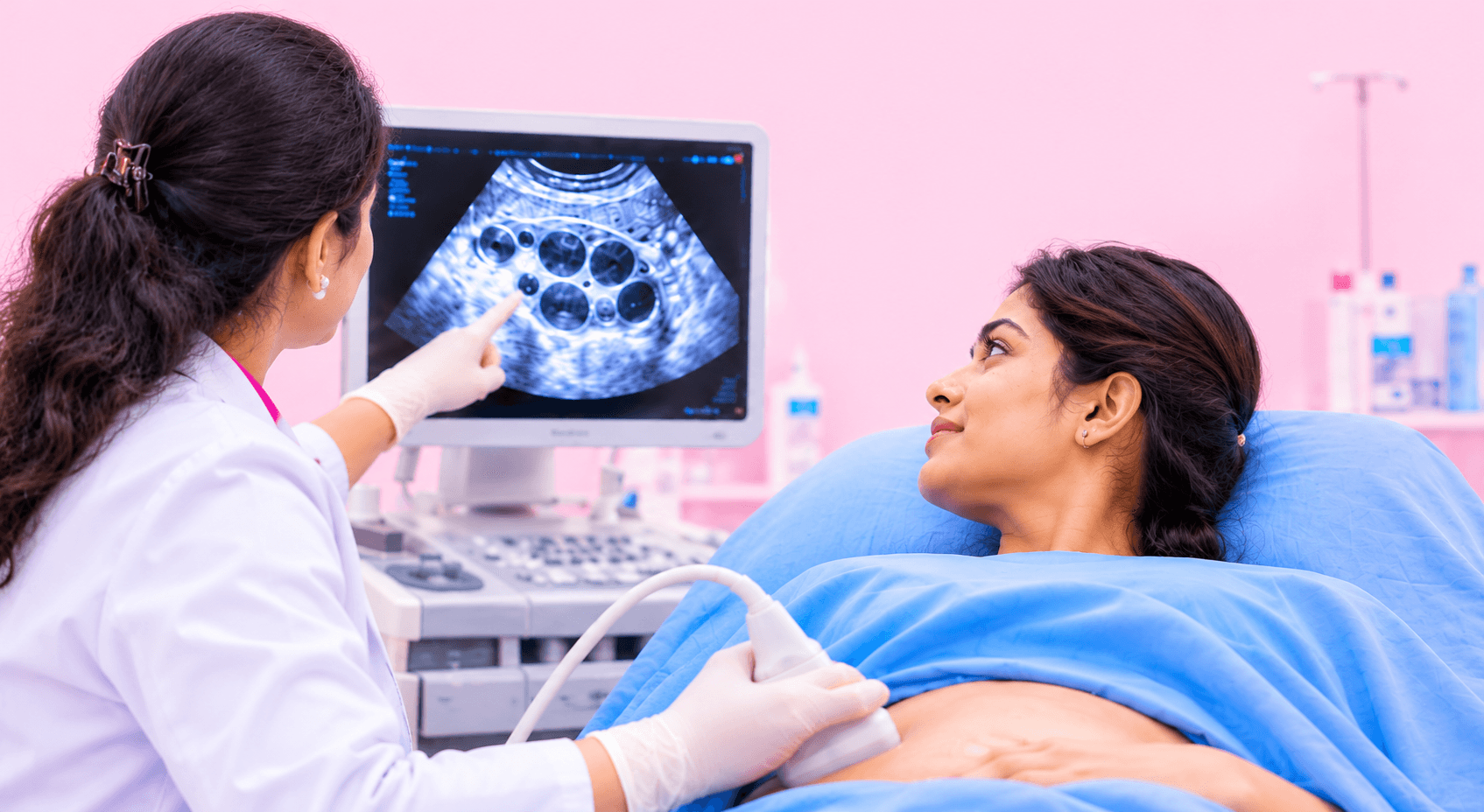
Egg retrieval is an important step in fertility treatments such as IVF and Egg Donation Treatment. After the procedure, it is natural to have questions about recovery, food, drinks and daily activities. One common question women ask is, "Can I drink alcohol after egg retrieval?"
The safest approach is to avoid alcohol immediately after egg retrieval and follow your fertility specialist's instructions before drinking again. This is particularly important because the procedure usually involves sedation or anesthesia, and your body needs time to recover. If you are continuing fertility treatment or preparing for an embryo transfer, avoiding alcohol is generally recommended.
Can I Drink Alcohol After Egg Retrieval?
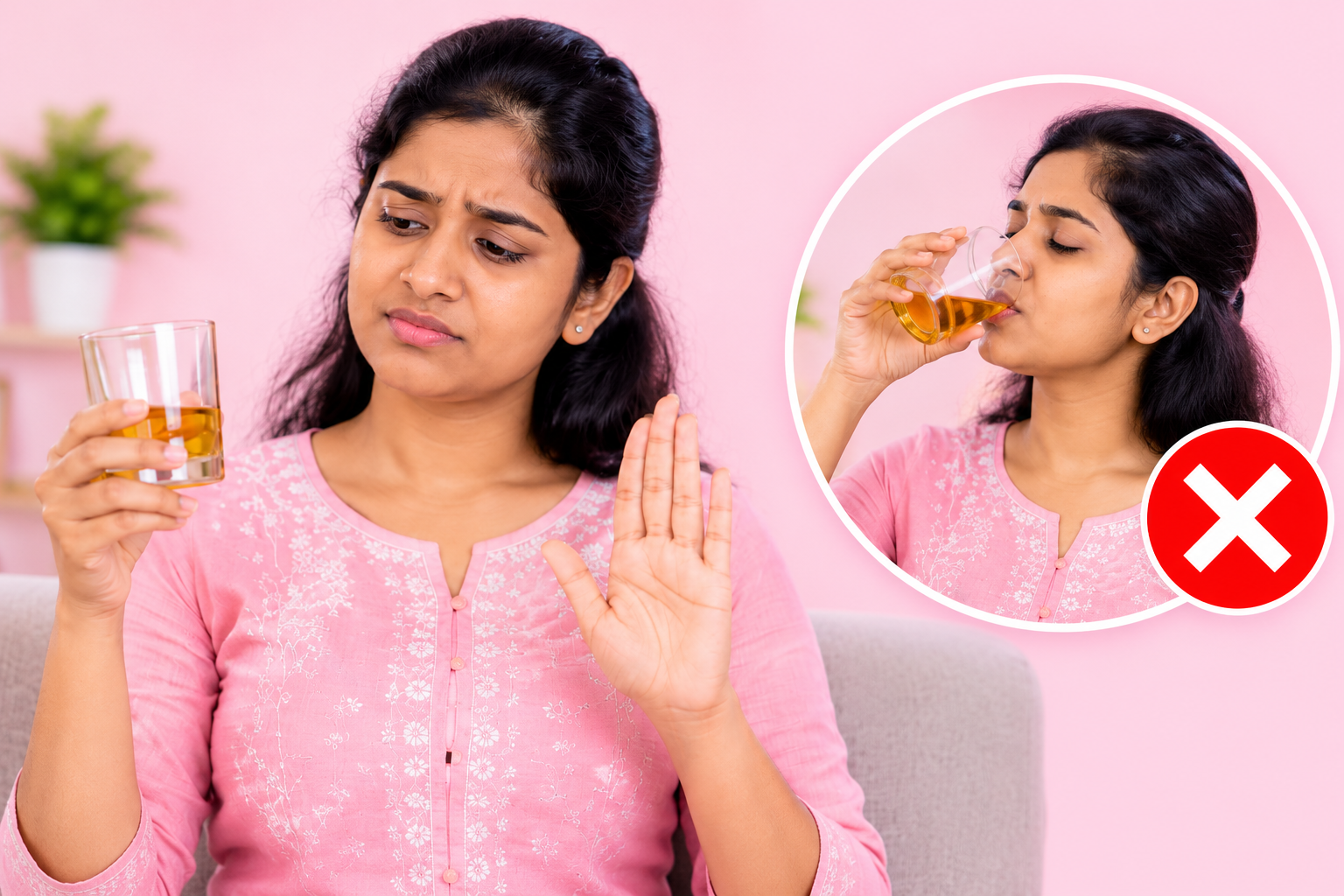
It is best to avoid alcohol immediately after egg retrieval. The procedure is usually performed under sedation, and alcohol can increase drowsiness and dizziness or interfere with recovery. You should not drink alcohol for at least 24 hours after anesthesia or sedation, or for longer if your medical team advises.
Even after the initial recovery period, it is better to check with your fertility specialist before consuming alcohol. Your recommendation may depend on your physical recovery, prescribed medications and the next stage of your fertility treatment.
If you are planning a fresh embryo transfer or pregnancy may be possible, avoiding alcohol is the safest choice. There is no established amount of alcohol considered safe during pregnancy.
Why Should You Avoid Alcohol After Egg Retrieval?
There are several reasons why fertility specialists may advise avoiding alcohol after the procedure.
1. Recovery After Sedation
Egg retrieval is generally performed under sedation or anesthesia. You may feel sleepy, dizzy or tired for several hours after the procedure. Alcohol can increase these effects and may interfere with safe recovery.
2. Possible Medication Interactions
Some women receive pain-relief medicines or other medications following egg retrieval. Alcohol may interact with certain medicines and increase side effects such as dizziness or drowsiness. Always check with your doctor before drinking while taking prescribed medication.
3. Supporting Fertility Treatment
Alcohol consumption during fertility treatment is generally discouraged because it may affect reproductive health and treatment outcomes. If the retrieved eggs are being fertilized to create an embryo, avoiding alcohol during the treatment period is a sensible precaution.
4. Allowing Your Body to Recover
After ovarian stimulation and egg retrieval, the ovaries may remain enlarged and sensitive for a few days. Some women experience bloating, abdominal discomfort, mild cramping and nausea. Avoiding alcohol and following your clinic's recovery instructions can help you priorities your well-being.
What Should You Drink After Egg Retrieval?
Staying hydrated is an important part of recovery. Instead of alcoholic beverages, choose drinks that support hydration and are comfortable for your digestive system.
Some suitable options include:
Electrolyte drinks: May help maintain fluid balance, particularly when recommended by your fertility team.
Coconut water: Provides fluids and naturally occurring electrolytes.
Fresh fruit juices: Can be included as part of a balanced diet, preferably without added sugar.
Water: Helps maintain hydration unless your clinic gives you specific fluid instructions.
Clear soups and broths: Provide fluids and can be a comfortable option during recovery.
Your fluid requirements may vary depending on your symptoms and risk of ovarian hyperstimulation syndrome (OHSS). Follow your clinic's advice rather than forcing yourself to drink excessive amounts of water.
What Foods Should You Eat After Egg Retrieval?
A balanced diet can support general recovery and help manage digestive discomfort.
Consider including:
Protein-rich foods: Eggs, dal, paneer, fish and chicken help provide essential nutrients.
Fiber-rich foods: Fruits, vegetables and whole grains can help manage constipation.
Light meals: Smaller, balanced meals may be easier to tolerate if you experience bloating or nausea.
Nutrient-rich foods: Include a variety of vegetables, fruits and healthy fats as part of your regular diet.
Anesthesia, hormonal changes and reduced physical activity can sometimes cause constipation. Fiber-rich foods and appropriate hydration may help improve digestion.
How Long Does It Take to Recover After Egg Retrieval?
Recovery differs from person to person. Many women experience mild cramping, bloating, tiredness or light spotting after egg retrieval. These symptoms generally improve over the next few days, although some women may need more time.
For a smoother recovery:
Get enough rest on the day of the procedure.
Avoid alcohol and follow anesthesia-related precautions.
Avoid strenuous exercise and heavy lifting until your doctor permits them.
Take prescribed medicines as directed.
Attend follow-up appointments and follow your clinic's instructions.
Contact your fertility clinic if you experience severe abdominal pain, heavy bleeding, fever, sudden abdominal swelling, rapid weight gain, persistent vomiting, reduced urination or difficulty breathing. These symptoms may require prompt medical evaluation, including assessment for OHSS.
Does Alcohol Affect Embryo Transfer?
If your fertility treatment involves a fresh embryo transfer, it is advisable to avoid alcohol. Alcohol consumption is generally discouraged when trying to conceive and during pregnancy.
An embryo transfer may take place a few days after egg retrieval or during a later frozen embryo transfer cycle. Your fertility specialist will explain the treatment schedule and advise you about lifestyle precautions during this period.
If you are undergoing Egg Donation Treatment as a recipient, the donated eggs are fertilized with sperm in the laboratory, and a suitable embryo is transferred into your uterus. Following your specialist's advice about alcohol, medications and other lifestyle factors is important throughout the treatment.
Egg Donation Treatment at Iswarya Fertility Centre
At Iswarya Fertility Centre, Egg Donation Treatment involves recipient evaluation, donor selection, cycle synchronization, egg retrieval, fertilization and embryo transfer.
The egg donor undergoes ovarian stimulation and egg retrieval under sedation. The collected eggs are fertilized with sperm in the laboratory, and a suitable embryo is selected for transfer into the recipient's uterus.
The fertility team guides patients and donors through the treatment stages, including preparation and post-procedure care. Individual recovery instructions are provided according to medical requirements.
Conclusion
It is best to avoid alcohol immediately after egg retrieval, particularly during the first 24 hours following sedation or anesthesia. You should also avoid drinking while taking medicines that may interact with alcohol and during pregnancy or when preparing for embryo transfer.
Priorities rest, appropriate hydration and balanced meals while your body recovers. Most importantly, follow your fertility specialist's advice because recovery and treatment plans differ for every individual.
Read More About Egg Donation Treatment:
Learn more about the complete Egg Donation process, including donor eligibility, egg retrieval, recovery and treatment options. Explore our detailed article: A Complete Guide to Egg Donation: Procedure, Pain, Recovery, Age and Donor Egg Options.
Disclaimer: This article is for general educational purposes and does not replace personalised medical advice from a fertility specialist.