
Listen to this article
Tap play — works on desktop and mobile
Learn whether egg retrieval is painful, how the procedure is performed under sedation, and what to expect during recovery. Understand the stages of Egg Donation Treatment, from donor screening and egg collection to fertilisation and embryo transfer at Iswarya Fertility Center.
Egg retrieval is an important step in fertility treatments such as IVF and Egg Donation Treatment. Many women feel nervous when they hear about the procedure, especially when they are unsure whether it causes pain, how it is performed and how long recovery takes.
The good news is that egg retrieval is generally performed under sedation, so most women do not feel pain during the procedure. However, mild cramping, bloating or pelvic discomfort may occur afterwards.
At Iswarya Fertility Center, egg retrieval is part of the fertility treatment process, including donor egg IVF. Understanding each stage can help women feel more prepared and confident before undergoing the procedure.
What Is Egg Retrieval?
Egg retrieval, also known as egg collection, is a medical procedure in which mature eggs are collected from a woman's ovaries.
Before the procedure, fertility medications are used to stimulate the ovaries to develop multiple follicles. The fertility specialist monitors follicle growth through ultrasound scans and determines when the eggs are ready for collection.
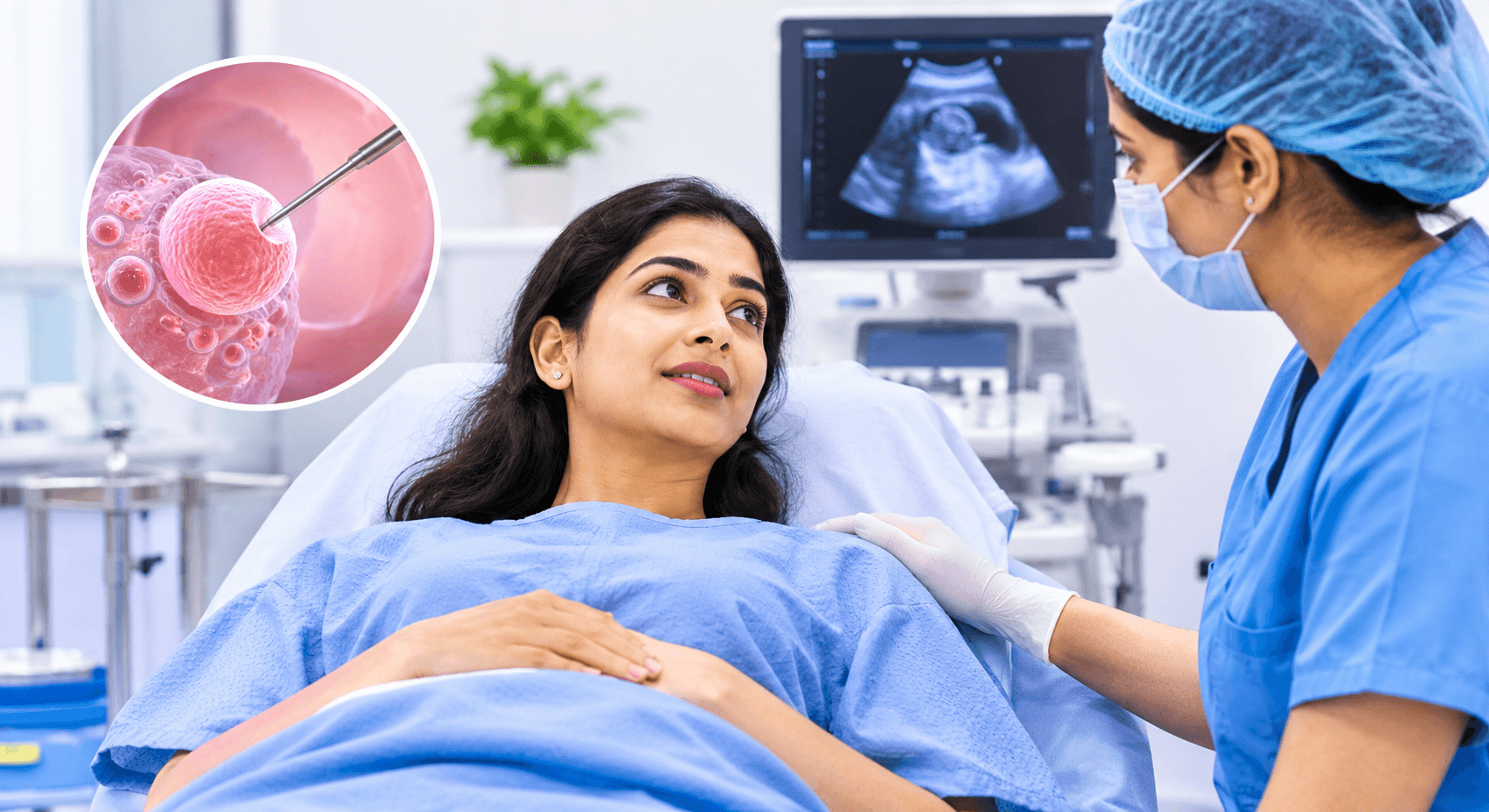
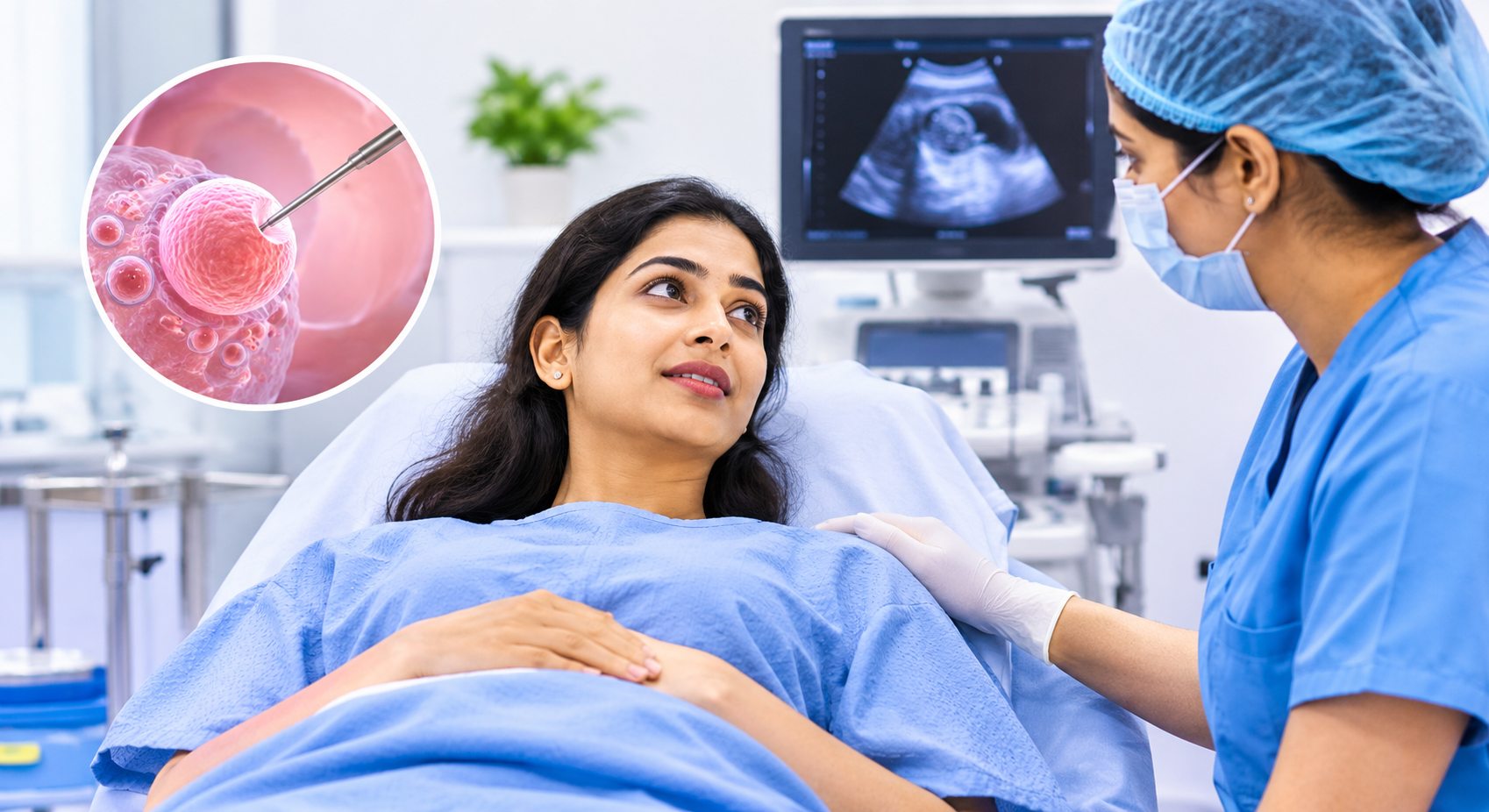
During retrieval, the doctor uses a thin needle guided by transvaginal ultrasound to collect the fluid containing eggs from the ovarian follicles. The collected eggs are then examined by embryologists in the laboratory for further treatment.
At Iswarya Fertility Center, egg retrieval is an important stage of the Egg Donation Treatment process. The procedure is performed under sedation, and the collected eggs are used for fertilisation with the partner's sperm.
Is Egg Retrieval Painful?
Egg retrieval is generally not painful during the procedure because sedation is used to help the patient remain comfortable. Most women do not experience pain while the eggs are being collected.
However, the experience can vary depending on individual health, ovarian response and pain sensitivity.
After the sedation wears off, some women may experience:
Mild abdominal or pelvic cramps
A feeling of heaviness in the lower abdomen
Temporary bloating
Light vaginal spotting
Mild tiredness or discomfort
These symptoms are generally temporary and improve as the body recovers. Your fertility specialist will explain what to expect and how to manage any discomfort.
How Is the Egg Retrieval Procedure Performed at Iswarya Fertility Center?
The egg retrieval procedure involves careful preparation, medical monitoring and laboratory coordination.
1. Initial Fertility Evaluation
Before starting treatment, the fertility specialist evaluates the woman's medical and reproductive health. Blood tests, ultrasound scans and other investigations may be recommended based on individual requirements.
For Egg Donation Treatment, the recipient undergoes an evaluation that includes uterine assessment, blood tests and counselling. The donor is also assessed before proceeding.
2. Ovarian Stimulation and Monitoring
The egg donor receives hormonal medications to stimulate the ovaries to develop multiple follicles.
During this period, the medical team monitors follicle growth through ultrasound scans and may recommend blood tests to assess the response to medication.
Once the follicles reach the appropriate stage of development, the doctor plans the egg retrieval procedure.
3. Egg Retrieval Under Sedation
Egg retrieval is performed under sedation to minimize discomfort.
The fertility specialist uses ultrasound guidance and a thin needle to collect eggs from the ovarian follicles. The procedure generally takes around 15–20 minutes, although the duration may vary.
There are no large surgical cuts or stitches involved in the usual egg retrieval procedure. After collection, the eggs are sent to the embryology laboratory for evaluation.
4. Fertilization and Embryo Development
After retrieval, the collected eggs are fertilized with the partner's sperm in the laboratory. Depending on the treatment plan, conventional IVF or ICSI may be used.
The embryology team monitors fertilization and embryo development. A suitable embryo is then selected for transfer into the recipient woman's uterus.
5. Embryo Transfer and Pregnancy Testing
The selected embryo is transferred into the recipient's uterus using a thin catheter. The recipient receives the necessary medical support as advised by the fertility specialist.
A blood pregnancy test is generally performed around 14 days after embryo transfer to check for pregnancy.
How Long Does It Take to Recover After Egg Retrieval?
Most women can return home on the same day after the medical team completes the required observation.
Recovery varies from person to person. Mild cramping, bloating and light spotting may occur for a short period after the procedure.
To support recovery:
Take adequate rest on the day of egg retrieval.
Drink fluids as recommended by your doctor.
Avoid strenuous exercise and heavy physical activities until your doctor advises you to resume them.
Take only the medicines prescribed by your fertility specialist.
Attend follow-up appointments as scheduled.
Severe abdominal pain, heavy bleeding, fever, breathing difficulty, persistent vomiting or sudden abdominal swelling should be reported to the fertility team immediately. These symptoms may indicate a complication that requires medical attention.
Is Egg Retrieval Painful During Egg Donation Treatment?
In Egg Donation Treatment, the eggs are collected from a carefully screened donor. The recipient woman does not undergo egg retrieval as part of the donor egg cycle.
At Iswarya Fertility Center, the Egg Donation programme follows a structured process:
Recipient Evaluation: Medical assessment, uterine evaluation, blood tests and counselling.
Donor Selection: Selection of a suitable donor following the required screening.
Cycle Synchronization: Donor and recipient cycles are synchronized using hormonal medications.
Egg Retrieval: Eggs are collected from the donor under sedation.
Fertilization and Transfer: The eggs are fertilized with the partner's sperm, and a suitable embryo is transferred to the recipient.
Pregnancy Test: A blood test is performed around 14 days after embryo transfer.
This process helps coordinate the donor's egg collection with the recipient's preparation for embryo transfer.
Why Choose Iswarya Fertility Center for Egg Donation Treatment?
Choosing a fertility Centre is an important decision for couples considering donor egg IVF. Understanding the treatment process, donor screening and medical support can help couples make informed choices.
At Iswarya Fertility Center, the Egg Donation programme includes recipient evaluation, donor selection, cycle synchronization, egg retrieval under sedation, fertilization and embryo transfer.
The fertility team guides couples through the different stages and explains the treatment options according to their medical requirements.
Couples considering Egg Donation can consult the fertility specialists to understand donor screening, treatment suitability, expected costs and the steps involved before starting the process.
Conclusion
Egg retrieval is generally a well-tolerated procedure, and sedation helps minimize pain during egg collection. Some women may experience mild cramping, bloating or temporary discomfort afterwards, but recovery is usually manageable with appropriate medical guidance.
If you are considering IVF or Egg Donation Treatment, understanding the procedure can help reduce anxiety and prepare you for the next steps. Consult the fertility specialists at Iswarya Fertility Center to understand your treatment options and receive guidance based on your individual needs.